Shockwave Therapy Butte MT

shockwave

Get Relief from Chronic Pain with Shockwave Therapy at Highland Family Chiropractic

At Highland Family Chiropractic, we offer shockwave therapy to help patients reduce chronic pain, improve mobility, and support natural healing. This non-invasive treatment is commonly used for plantar fasciitis, tendon injuries, shoulder pain, knee pain, and other soft tissue conditions that may not improve with rest alone. By stimulating circulation and tissue repair, shockwave therapy may help relieve discomfort caused by sports injuries, repetitive strain, and chronic inflammation while supporting long-term recovery and function.

What Is Shockwave Therapy?

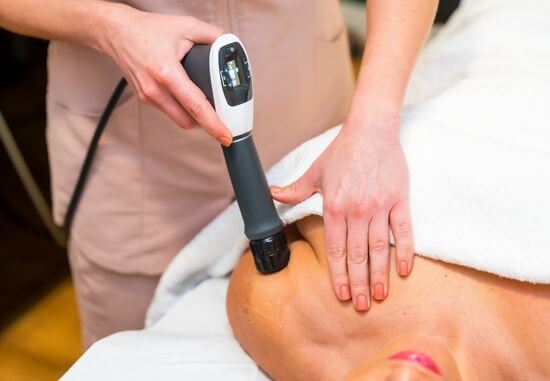
Shockwave therapy, also known as Extracorporeal Shockwave Therapy (ESWT), is a non-surgical treatment that uses acoustic sound waves to target injured or painful tissues. These acoustic waves are delivered directly into the affected area using a handheld device, helping stimulate circulation and activate the body’s natural repair response.

Although the word “shockwave” may sound intimidating, the treatment itself is designed to be controlled, precise, and safe for soft tissue rehabilitation. Shockwave therapy has been used in orthopedic and sports medicine settings for years because of its ability to support healing in chronic conditions involving tendons, muscles, ligaments, and fascia.

One reason many patients appreciate shockwave therapy is that it does not involve surgery or long recovery periods. In many cases, patients are able to continue their regular daily activities after treatment.

Did You Know?

Research published in musculoskeletal rehabilitation studies has shown that shockwave therapy may help improve pain and functional outcomes in patients with chronic tendon-related conditions, especially when combined with rehabilitation and chiropractic care.

How Shockwave Therapy Supports Healing

The body naturally attempts to heal injured tissues, but chronic inflammation, repetitive stress, and poor circulation can sometimes slow that process down. Shockwave therapy works by stimulating the injured area and encouraging biological responses that support tissue regeneration.

The acoustic waves used during treatment help:

  • Increase local blood circulation
  • Stimulate collagen production
  • Encourage cellular repair activity
  • Break down calcified tissue deposits
  • Improve flexibility in tight tissues
  • Reduce chronic inflammation

This process can help improve mobility and reduce discomfort over time.

Many chronic pain conditions involve damaged or irritated tissues that have not healed properly. Tendons and connective tissues often receive less blood flow than muscles, making recovery slower in some areas of the body. Shockwave therapy may help encourage circulation in those areas and support the healing process naturally.

Common Conditions Treated with Shockwave Therapy

Shockwave therapy is commonly used for a variety of musculoskeletal and soft tissue conditions. Some patients seek care after sports injuries, while others develop chronic pain from repetitive activities, posture-related stress, or physically demanding jobs.

Conditions commonly treated with shockwave therapy include:

  • Plantar fasciitis
  • Tennis elbow
  • Golfer’s elbow
  • Achilles tendonitis
  • Rotator cuff injuries
  • Shoulder pain
  • Hip pain
  • Knee pain
  • Tendinopathy
  • Scar tissue restrictions
  • Heel spurs
  • Trigger points
  • Chronic neck pain
  • Chronic back pain
  • Muscle tightness
  • Sports-related injuries

Many of these conditions involve inflammation or degeneration within tendons and connective tissues. Because shockwave therapy targets these tissues directly, it is often incorporated into broader rehabilitation programs focused on restoring function and mobility.

Why Chronic Pain Should Not Be Ignored

Pain is often the body’s way of signaling that something is not functioning properly. While occasional soreness after physical activity may be normal, pain that continues for weeks or months may indicate tissue irritation, inflammation, or chronic strain.

According to the Centers for Disease Control and Prevention (CDC), chronic pain affects millions of adults and can significantly impact physical activity, sleep, and emotional health. Persistent pain can also contribute to reduced mobility, stiffness, and compensation patterns that place stress on surrounding joints and muscles.

Many patients delay care because they assume the discomfort will eventually go away on its own. However, unresolved tissue irritation may continue progressing over time, especially if the affected area is repeatedly stressed during work, exercise, or daily movement.

Seeking conservative care early may help improve mobility and reduce strain before symptoms worsen.

What to Expect During Shockwave Therapy

At Highland Family Chiropractic, every patient begins with an evaluation to determine whether shockwave therapy is appropriate for their condition. Our team takes time to understand your symptoms, movement limitations, and health history before recommending treatment options.

During a session, a handheld device is applied to the affected area. Acoustic waves are then delivered into the tissues using controlled pulses. Most appointments are relatively short and usually last between 10 and 20 minutes depending on the area being treated.

Some patients describe the sensation as mild tapping or pressure. Areas with significant inflammation may feel more sensitive during treatment, but most people tolerate the therapy well.

After treatment, patients may notice mild soreness similar to what can occur after exercise or deep tissue work. This response is generally temporary and may be part of the body’s natural healing response.

Client Reviews

Highland Family Chiropractic, PC

128 West Granite Street, Butte

5.0 79 reviews

  • Avatar Cindy Ruffner ★★★★★ a month ago
    I have had numerous visits to Highland and have been very impressed! The entire staff is friendly, fun and know the name of everyone who walks through the door. My initial evaluation was very thorough and informative. I have arthritis … More throughout my body, including bone-on-bone in both knees. I really didn’t think I could see much improvement in that, but I was so wrong. Dr. Mitch has given me so much more flexibility in my knees and has considerably reduced the pain and stiffness in my entire body. He listens carefully to how I feel and helps resolve any issues I have. I am so very, very pleased I gave them a try!!
  • Avatar Aaron Meaders ★★★★★ a month ago
    Love the friendly atmosphere and prompt service. I also enjoy the scientific approach used and how they take x-rays and explain them to you in extreme detail before your adjustments start. I've already given out 6 business cards to … More friends of mine. Highly recommended!

View Google Reviews Leave A Review

The Role of Shockwave Therapy in Sports Recovery

Athletes and active individuals often place repetitive stress on muscles, joints, and connective tissues. Over time, repetitive strain can contribute to tendon irritation, mobility restrictions, and chronic inflammation.

Shockwave therapy has become increasingly common in sports rehabilitation because it supports circulation and tissue recovery without surgery or extensive downtime.

For active individuals, maintaining mobility and reducing recovery time can make a major difference in overall performance and daily comfort.

Benefits of Non-Invasive Treatment Options

One reason many patients explore shockwave therapy is because they are looking for conservative care options before considering more invasive procedures. Non-invasive therapies may help reduce reliance on medications while supporting the body’s natural healing process.

Potential benefits of shockwave therapy include:

  • Improved circulation
  • Reduced muscle tension
  • Better mobility and flexibility
  • Faster recovery support
  • Reduced discomfort during movement
  • Improved tissue healing response
  • Minimal downtime after treatment

Because every patient responds differently, results can vary depending on the severity and duration of the condition being treated.

How Chiropractic Care and Shockwave Therapy Work Together

At Highland Family Chiropractic, shockwave therapy is often combined with chiropractic care and rehabilitation strategies to support whole-body function. When joints are not moving properly or muscles remain tight and restricted, the body may compensate in ways that increase stress on surrounding tissues.

Chiropractic adjustments help support spinal and joint mobility, while shockwave therapy focuses on improving soft tissue healing and circulation.

This combined approach may help:

  • Improve overall movement patterns
  • Reduce stress on injured tissues
  • Encourage better mobility
  • Support recovery after repetitive strain
  • Improve function during daily activities

Rather than focusing only on symptoms, our team aims to address the underlying movement and structural issues contributing to discomfort.

Schedule a Shockwave Therapy Appointment in Butte

We look forward to serving you

If chronic pain, soft tissue injuries, or mobility limitations are interfering with your daily life, shockwave therapy may help support your recovery naturally. At Highland Family Chiropractic, we focus on helping patients improve movement, reduce pain, and restore function using non-invasive treatment options tailored to their needs.

Our team is here to help you explore whether shockwave therapy is the right fit for your condition and wellness goals.

HFC_Logo

To learn more about spinal decompression therapy with the Triton DTS and to schedule an initial consultation with our chiropractor in Butte, Montana, give us a call at (406) 782-2557.

Frequently Asked Questions (FAQs)

Yes. Shockwave therapy is considered a safe, FDA-cleared treatment commonly used for chronic musculoskeletal pain and soft tissue injuries. Treatments are non-invasive and do not require surgery or lengthy recovery periods.

Some patients experience mild discomfort during treatment, especially near inflamed or sensitive tissues. However, most patients tolerate the procedure well, and treatments are typically brief. 

The number of sessions depends on the severity of the condition and the body’s response to treatment. Many patients notice improvement after several treatments, though chronic conditions may require additional sessions. 

Shockwave therapy is commonly used for plantar fasciitis, tendonitis, shoulder pain, tennis elbow, hip pain, knee pain, scar tissue restrictions, and other chronic soft tissue conditions. 

Shockwave therapy stimulates circulation and cellular activity within damaged tissues. This process helps encourage tissue regeneration, collagen production, and improved healing responses. 

Most side effects are minimal and temporary. Some patients may experience mild soreness, redness, or tenderness near the treatment area shortly after therapy. 

Yes. Shockwave therapy does not involve surgery, injections, or significant downtime, making it a conservative treatment option for many chronic pain conditions.